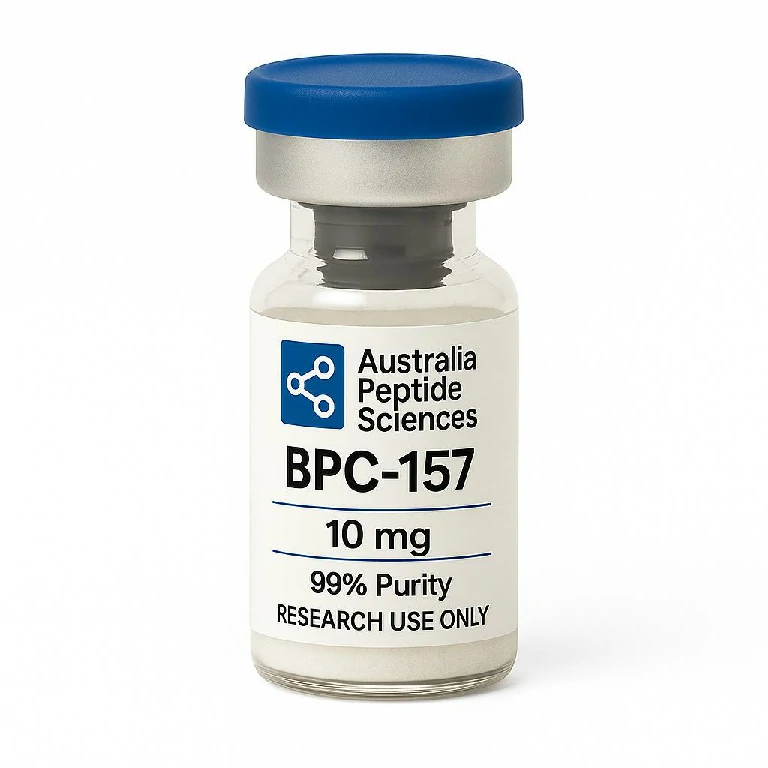
Understanding Peptide Purity: What 99%+ Truly Implies
s
@shaneqfvm037
October 7, 2026 · 5 min read
Exactly How To Review A Peptide Coa Actual Vs Phony The proportion of main peak to total peaks determines the reported pureness portion. Beware of COAs that provide a purity number with no sustaining chromatographic information, record purity without defining the logical approach, or listing a molecular weight without mass spectrometry confirmation. This matters due to the fact that peptides are constructed one amino acid at once with solid-phase peptide synthesis (SPPS). At each action, there's a little possibility that something goes wrong-- an amino acid does not attach, the wrong adjustment occurs, or a side reaction AOD-9604 creates an unexpected byproduct. Over a chain of 10, 20, or 40 amino acids, those small per-step error prices compound. If every single step went to 100% conclusion, after that only the unabridged peptide would be produced. The percent cost of screening decreases as order size increases, making confirmation progressively cost effective on a per-unit basis. When procedures that should work don't produce expected results, product quality comes to be a suspicious variable. Before deserting a protocol or condemning specific feedback variation, verify that you're actually using what you believe you're utilizing. Your initial purchase from any type of supplier need to be taken into consideration a test instance. Browse our full choice of research study peptides and discover the compounds you require in one place. Certification gain access to minimizes uncertainty by permitting buyers to validate identity, pureness, and traceability prior to purchase, which supports reproducibility and reduces the threat of inconsistent batches. To produce a pureness worth, these tops are reeled in (integrated) to establish the amount of location they stand for in the chromatogram. If you have questions about translating any kind of facet of our COA documents, contact our research study assistance team straight. We can walk through the logical data for any kind of substance in our magazine. The table below shows how purity specifications put on several commonly investigated peptide classes.
This is a vital standard for reviewing peptide supplier quality, and is gone over further in our short article on just how to pick a trusted research peptide vendor.
A peptide provided at 75% purity and one at 99% pureness aren't just different qualities-- they can generate meaningfully various outcomes in the same assay.
One core method is High-Performance Fluid Chromatography (HPLC), the gold criterion for evaluating peptide purity.
If a vendor's lot-to-lot COAs reveal meaningfully different retention times for the same substance, this recommends either an adjustment in compound or a modification in chromatographic problems-- both of which should have analysis.
Unrefined peptides appropriate for applications where pureness isn't vital, such as antibody manufacturing or preliminary testing assays where the target peptide just needs to be existing, not dominant. Mass spectrometry determines the molecular weight of a compound with extreme accuracy. For peptides, one of the most typical techniques are electrospray ionization (ESI-MS) and matrix-assisted laser desorption/ionization time-of-flight (MALDI-TOF). HPLC divides a mix right into its specific parts based upon how each particle connects with a specially created column. The liquified peptide sample is injected right into a stream of fluid solvent (the mobile phase) that streams with a tube loaded with small bits (the fixed phase). Various molecules "stick" to those bits with different strengths, so they take a trip with the column at various rates.
Complimentary Testing Options
Suit the whole lot number on the COA to the great deal number on the vial tag specifically. If the numbers do not match, the COA does not confirm that set. After the completed dose type is manufactured, they check for contaminations that are produced throughout the process of making the set or various other raw material contaminations that are much easier to check in the finished dosage kind. Any type of other optimals that happen to be spotted are by coincidence, not design. There may be excipients that never liquify in the example, get embeded the column and never ever elute, the detector never ever identifies due to the wavelength, can not be detected by UV absorbance, etc.
Is 95% pureness helpful for peptides?
Peptides with an 85% purity degree or greater are normally used in enzyme assays or biological task researches. Peptides with pureness higher than 95% are exceptional for measurable analysis.
What Hplc Can Not Confirm Alone
Top-tier labs often report peptide purity well over 95%, frequently ≥ 98-99%, by utilizing modern HPLC and MS evaluations. They additionally test both basic materials and ended up peptide vials, which helps capture any impurities, deterioration products, or solution disparities. This degree of extensive analysis makes certain the peptide's precision-- suggesting the sequence and pureness are precisely as classified-- which is critical for experimental reproducibility. By confirming make-up through multiple confirmed methods, lab validation assurances that scientists receive a high-purity peptide High Purity TB-500 that will certainly perform as anticipated in the laboratory. Trusted laboratories employ tried and tested testing protocols to evaluate peptide examples and confirm their purity and chemical structure. Its location about total peak location figures out the reported pureness portion. A peptide missing out on one amino acid may show up 99% pure on HPLC since the truncated variation is still the leading species. This is why HPLC alone isn't sufficient for full verification. Smaller peaks suggest pollutants, which might consist of trimmed series, deletion series, or deterioration products. Peptides and their pollutants have different hydrophobicities and therefore invest various quantities of time engaging with the C18 stationary phase prior to eluting right into the detector. Extra hydrophilic compounds elute very early (low retention time); more hydrophobic substances elute later (high retention time). The target peptide elutes at a characteristic retention time, and impurities elute at different times-- dividing them spatially on the chromatogram. In the usual peptide COA context, top pureness typically describes the percent of total chromatogram location stood for by the primary peptide top. It is an area-percent purity dimension, not a total identification or activity examination. Peptide screening is effective, yet researchers ought to review the range of each approach meticulously.